- Release Day
- Posts
- Legacy as a Campaign Strategy: How Fashion Brands Are Turning History into Storytelling Gold
Legacy as a Campaign Strategy: How Fashion Brands Are Turning History into Storytelling Gold
Release Day Story of The Week - The brand builder's ecosystem.

Maite Aramayo
June 29, 2025
This week we're looking at content narratives.
Across luxury and indie alike, fashion brands are mining their histories for narrative power. From archived campaigns to family memories, designers are turning legacy into strategy, crafting stories that feel both grounded and future-ready. Whether it’s Valentino reviving 1998 elegance or Jacquemus reimagining rural royalty, these campaigns aren’t just beautiful—they’re meaningful. We’re breaking down how fashion is using the past to build cultural relevance, emotional pull, and scroll-stopping content.
Our Story of the Week
Legacy as a Campaign Strategy: How Fashion Brands Are Turning History into Storytelling Gold

Nothing sells fantasy like a good memory—especially when that memory is the brand’s own. 2025 so far has been a master-class in fashion houses digging through their archives (or personal photo albums) and serving the findings with a fresh twist. But the smartest campaigns aren’t just nostalgia trips; they’re vehicles for cultural respect, real-world relevance, and hard-hitting brand equity.
Here are some of the most interesting campaigns in the past month—dissected:
Valentino: Re-staging 1998 for the TikTok era
Alessandro Michele’s SS26 campaign for Valentino channels the languid romance of Valentino’s Michael Thompson–shot 1998 ads—right down to the soft-focus intimacy—yet swaps nineties aloofness for cinematic maximalism shot by Marili Andre. The result? A reminder that Valentino has always done drama best, but this time, all models are sleeping.
The campaign was a reflection of what the current generation feels to this day: mainly tired of the singular willingness to doomscroll in bed. While the 90s Valentino used to sell romance and even sexiness for its campaign ads, today’s Valentino is more focused on serving as a relatable representation of what the current youth is going through.
 |  |
Creative notes → Archive ≠ museum.
Re-contextualise old imagery with today’s visual grammar (think motion, carousel, or ASMR) instead of copying it verbatim.
Bottega Veneta: Craft = Culture = Content
Bottega Veneta’s Louis Troetter paid homage to Bruno Munari’s influence in Italian art, performance and education— with a manifesto on just hand gestures—as the storyboard. It shows that sometimes brands don’t even need a complicated setting to produce a message.
After the first preview, the campaign revealed some of its new ambassadors such as Tyler, The Creator who was seen clasping his fingers, Dario Argento inventing a new sign, Lauren Hutton whispering “shhh”—all as proof that silent language can be loud branding. The campaign also slipped in a nod to Edward Buchanan, the house’s first design director, linking past and present talent in one elegant motion.
  |   |
Creative notes → Name your mentors.
Spotlight forgotten pioneers (à la Edward Buchanan) to add depth and credibility to the brand’s message. Don’t take for granted the story behind the team that made the brand exist in the first place.
Gucci: Candy-coated chaos
“Not your ordinary Gucci treat,” croons the GG Marmont carousel: bags lined up like fruit-flavoured jelly beans, rock-guitar feedback thrashing in the background. It’s Demna-era irony without the Balenciaga gloom—Gucci turns kitsch into crave-ability while reminding fans that Marmont’s double-G logo is a house heirloom, not a TikTok prop.
Just like Bottega Veneta, we have yet to see what their new creative director will bring to the house, but using a now historical carryover such as the GG Marmont bag as a “delicious collectible” is already a tactical approach into reviving the house’s legacy.
 |  |
Creative notes → Future-proof the past.
Use legacy stories to frame where the brand is heading, not just where it’s been.
Rabanne: Funk carioca, not costume drama
Rabanne took their summer collection to Rio’s Rocinha favela, tapping local photographer Melissa de Oliveira and director Emmanuel Cossu. The campaign—shot at dawn when bailes fade but basslines linger—honours Paco Rabanne’s 1980s love affair with funk and the Black Brazilian creatives he championed. It’s homage, not appropriation, because the storytelling is co-signed by the community on camera.
This was a lesson on how campaigns today do not necessarily require professional models to work with. The concept can be unserious and sell a lifestyle that shows that the brand goes beyond Parisian or even Spanish culture.
 |  |
Creative notes → Co-create, don’t cosplay.
Get local photographers, stylists, or musicians when working with cultural references—authenticity shows (and it’s what matters the most today). You don’t need the biggest productions or only star creative budgets to launch a compelling campaign.
Self-Portrait: Kate Moss does the grocery run
In Portraits of Kate, Johnny Dufort shoots Moss grabbing crisps in Mayfair, styling herself like it’s a Sunday errand. The vibe is “zero production, all personality,” proving you can mine a supermodel’s mythology without airbrushing her routine. What Self-Portrait does extremely well is highlight the most mundane of daily life activities in a way that not only looks fashionable, but it also becomes very approachable as an aesthetic (which ultimately leads to real sales).
The campaign is shot in a way that it’s clear there was no use of expensive photography equipment and empowers the line between what’s iconic (Kate Moss) and what makes it relatable (Kate Moss running errands).
 |  |
Creative note→ Myth meets mundane.
Pair star power with everyday settings to humanise luxury without cheapening it. Also, you don’t need the most expensive production to run a creative campaign.
Jacquemus: Versailles, but make it rural
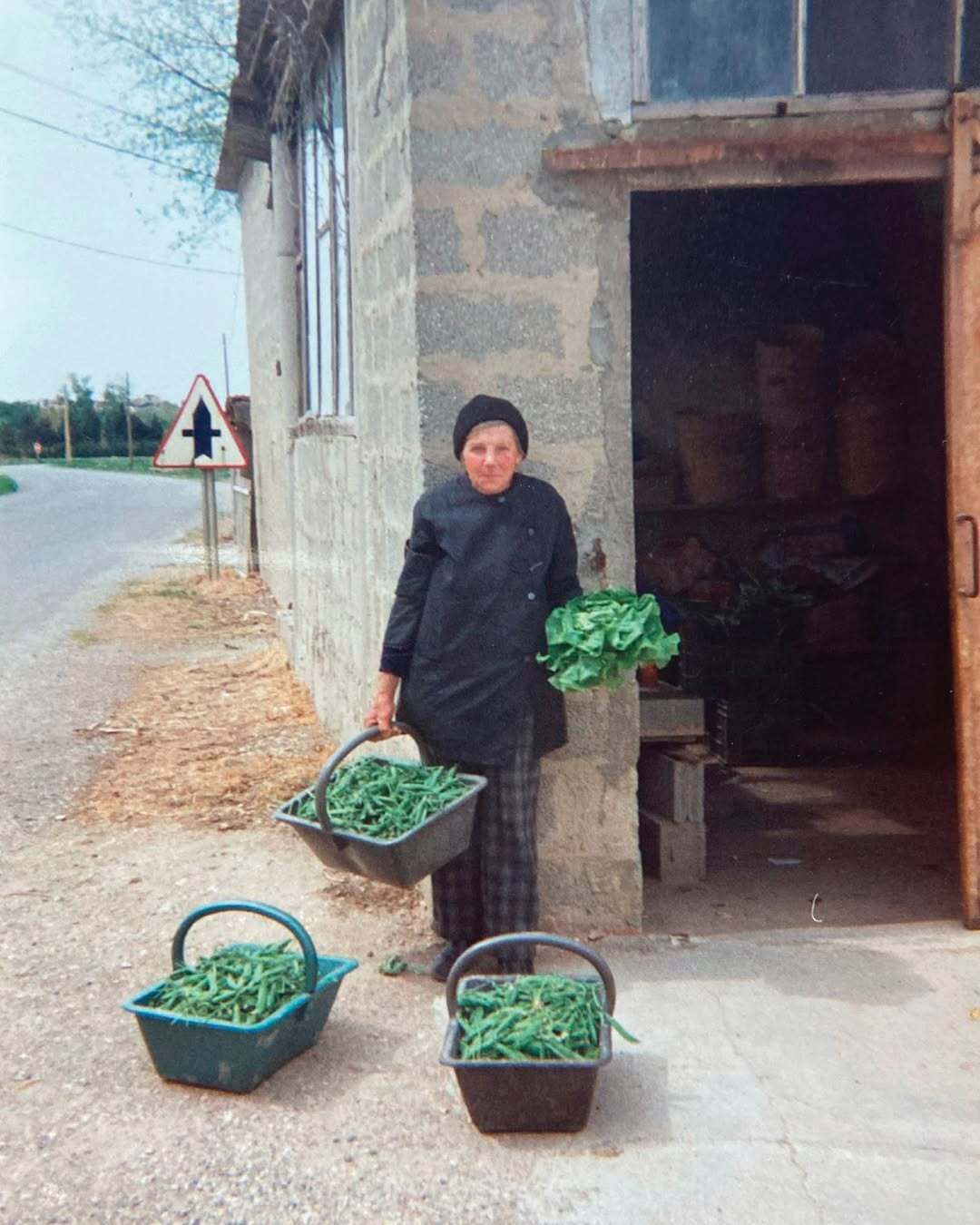
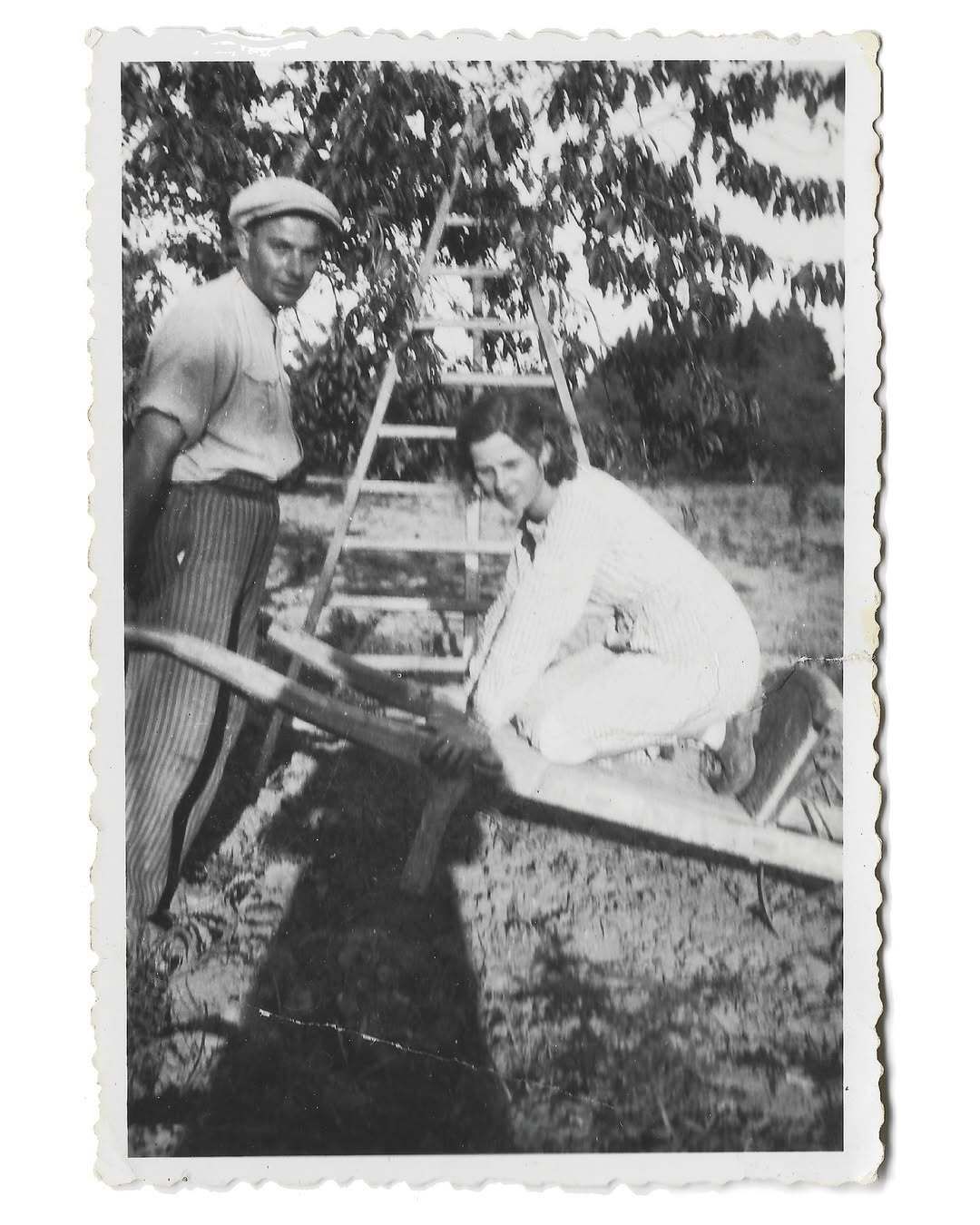
Simon Porte Jacquemus previews Le Paysan—models posed like 18th-century orchard workers at the Château de Versailles’ Orangerie. It’s his own origin story (a kid from Provence) staged on royal turf, a wink that says legacy isn’t just archives; it’s personal memory writ large.
It’s no news that designers like Jacquemus have the most out of the box campaigns out there and that they to tend to reference personal memories and the places he grew up in, but he does it in a way that it becomes smart imagery of the community that surrounded him and his family throughout his life. In that sense, Jacquemus positions itself as a brand that doesn’t talk about how luxurious they want to become (despite comments saying they were aiming to become Alaïa), but picks an immediate reference (the south of France) that not only becomes desirable, but also referential of its work and manages to get engrained in people’s memory.
  |   |
Creative notes → Memory becomes moodboard.
Leverage personal history to create a new narrative. When legacy is lived—not just referenced—it feels real.
Why this all matters:
The glut of “heritage” content could have felt dusty. Instead, 2025’s best campaigns work because they collapse time: a 1998 mood becomes 2025 escapism; a 1960s design lesson becomes an Instagram micro-narrative; local culture isn’t borrowed and it’s hired, and the most mundane of activities become a fashion campaign because in the end, fashion is supposed to reflect society’s daily lives and choices.
Fashion history is vast—but in 2025, the winning move is to treat it like living soil: dig in, plant something new, and let the roots show eventually.