- Release Day
- Posts
- Why Accessories Will Be The Only Category That Performs in 2026
Why Accessories Will Be The Only Category That Performs in 2026
Release Day Story of The Week - The brand builder's ecosystem.

Maite Aramayo
January 22, 2026
📝Latest by Release Day
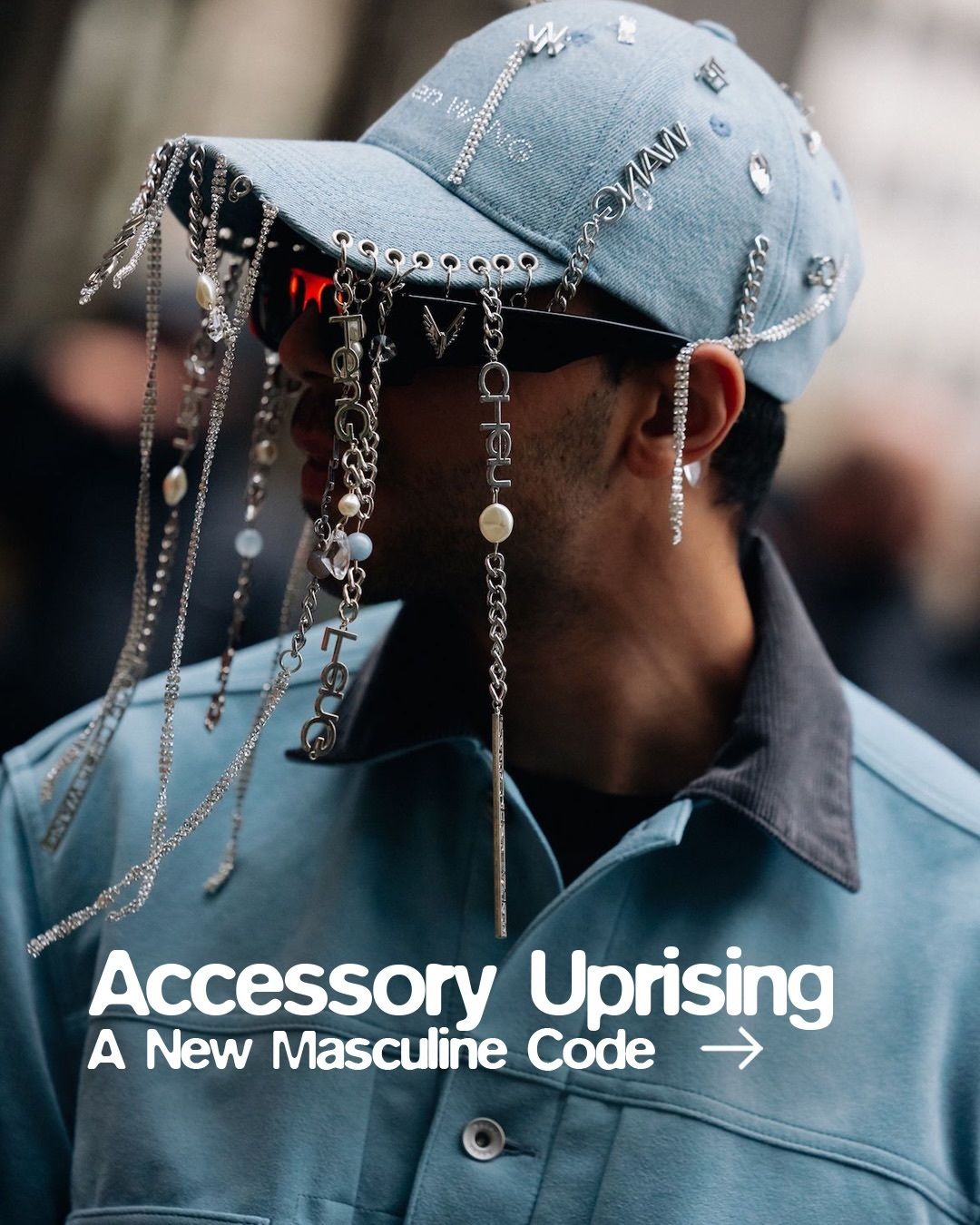 Men’s accessories aren’t background details anymore. |  Here is our take on where the industry is heading. |
This week, we’re unpacking why accessories are the only category expected to see consistent growth in 2026, serving as a critical entry point for personal identity.
We’re breaking down the shift from apparel-heavy wardrobes to "identity anchors", those small, high-impact items that offer consumers a sense of differentiation without the cost of a full refresh. For independent brands, this represents a strategic opportunity to drive growth through lower-risk, high-margin products that bypass the sizing hurdles and inventory pressures of ready-to-wear.
Our Story of the Week
Why Accessories Will Be The Only Category That Performs in 2026

The shift in consumer spending toward accessories and jewelry is one of the most consistent signals in the 2026 market landscape. While apparel faces saturation and high return rates, small goods are seeing sustained momentum as tools for personal differentiation among buyers.
This analysis explores the drivers behind the growth of the accessories category and what this shift implies for independent brands focused on long-term customer relevance.
The rise of the "Identity Anchor"
As the cost of a full wardrobe refresh becomes prohibitive for many, the "personal uniform" has become more standardized. Many consumers are gravitating toward high-quality, versatile base layers, leaving the work of self-expression to smaller, more impactful items.
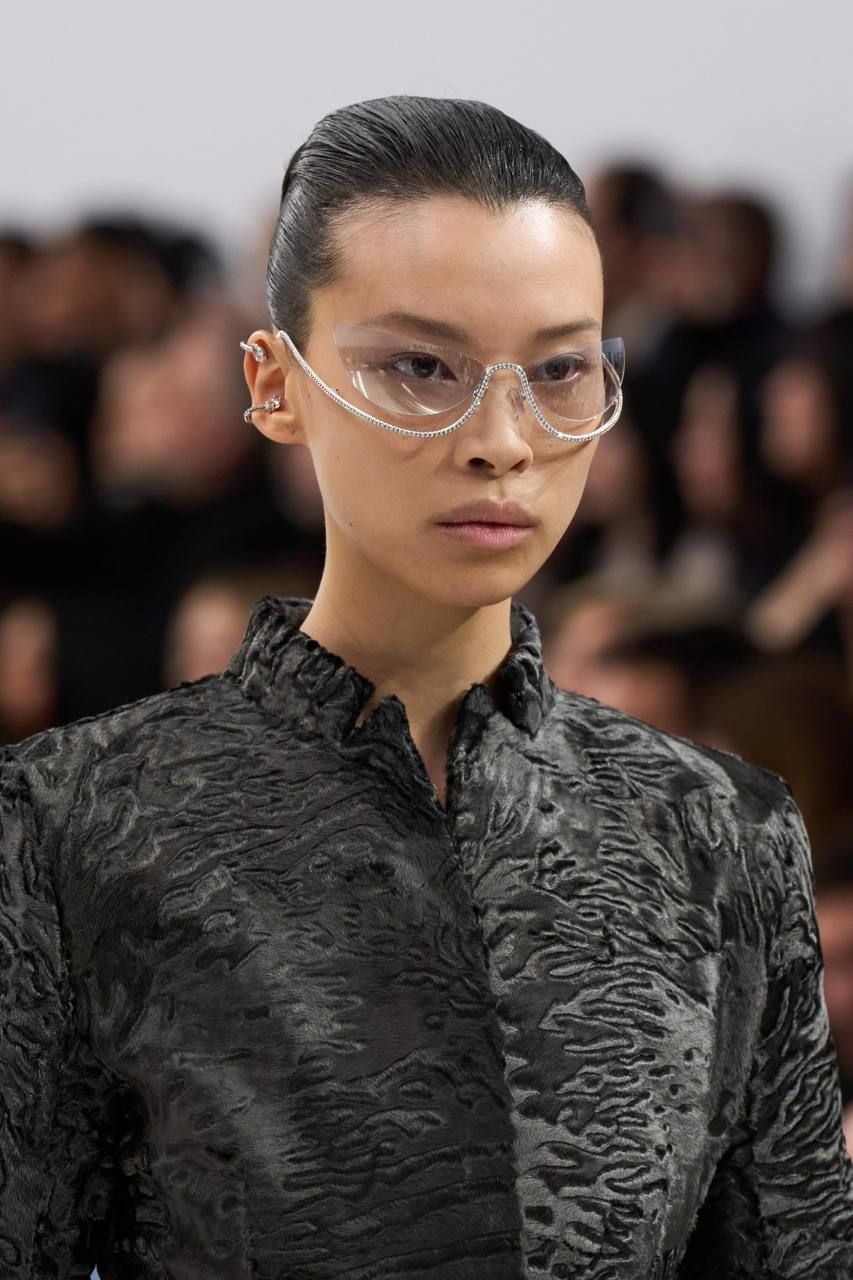
As a result, accessories can now function as identity anchors. A specific eyewear shape, a distinctive bag, or a piece of sculptural jewelry allows a wearer to signal their aesthetic alignment without the investment or physical commitment of a head-to-toe garment.
According to recent sentiment data, consumers are increasingly viewing accessories as "modular" identity. This means items that can be added to a simplified wardrobe to change its entire context.
Why the category is resilient
The growth of accessories in 2026 is supported by several practical shifts in how people shop and live:
Fit certainty: Accessories have always bypassed the sizing complexities that often lead to high return rates in apparel, especially when it comes shopping online. For independent brands, investing more on accessories reduces the logistical burden and improves the net margin on every sale.
The giftability factor: In a cautious economy, accessories serve as a primary entry point for gifting. They offer a way for new customers to interact with a brand’s world at a more accessible price point than outerwear or knitwear.
Longevity and resale: If there is something we’ve learned from 2025, it is that consumers are paying closer attention to the lifecycle of their purchases. High-quality leather goods and jewelry often retain more value on the secondary market than “trend-heavy” apparel, making the "cost-per-wear" calculation more attractive.
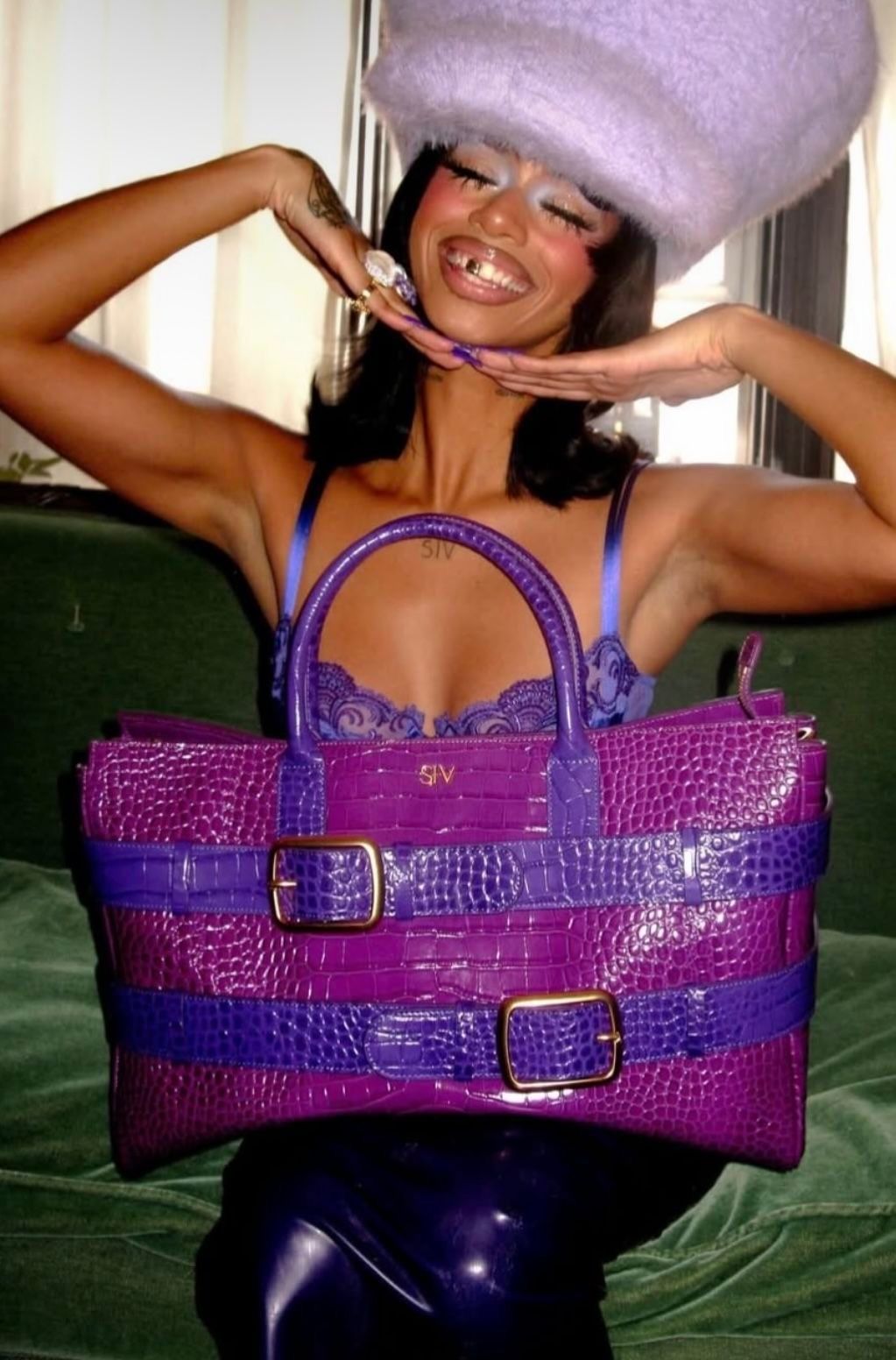
SIV NYC Bags
Market Signals: The "Add-on" Economy
We saw the precursor to this in late 2025 with the explosion of "bag charms" and extreme personalization. Brands like Miu Miu and Coach leaned heavily into this (not to mention the explosion of Pop Mart’s sales thanks to the Labubu), but independent brands are now taking it further by designing modularity into the product itself.
For example, we are seeing the rise of "utility jewelry”, pieces that function as both ornament and tool, such as high-end carabiner systems or tech-integrated necklaces. We’re facing a consumer that is providing a direct desire to obtain high-value items to perform multiple roles: if you can make your accessories functional (asides from aesthetically pleasing) even BETTER.
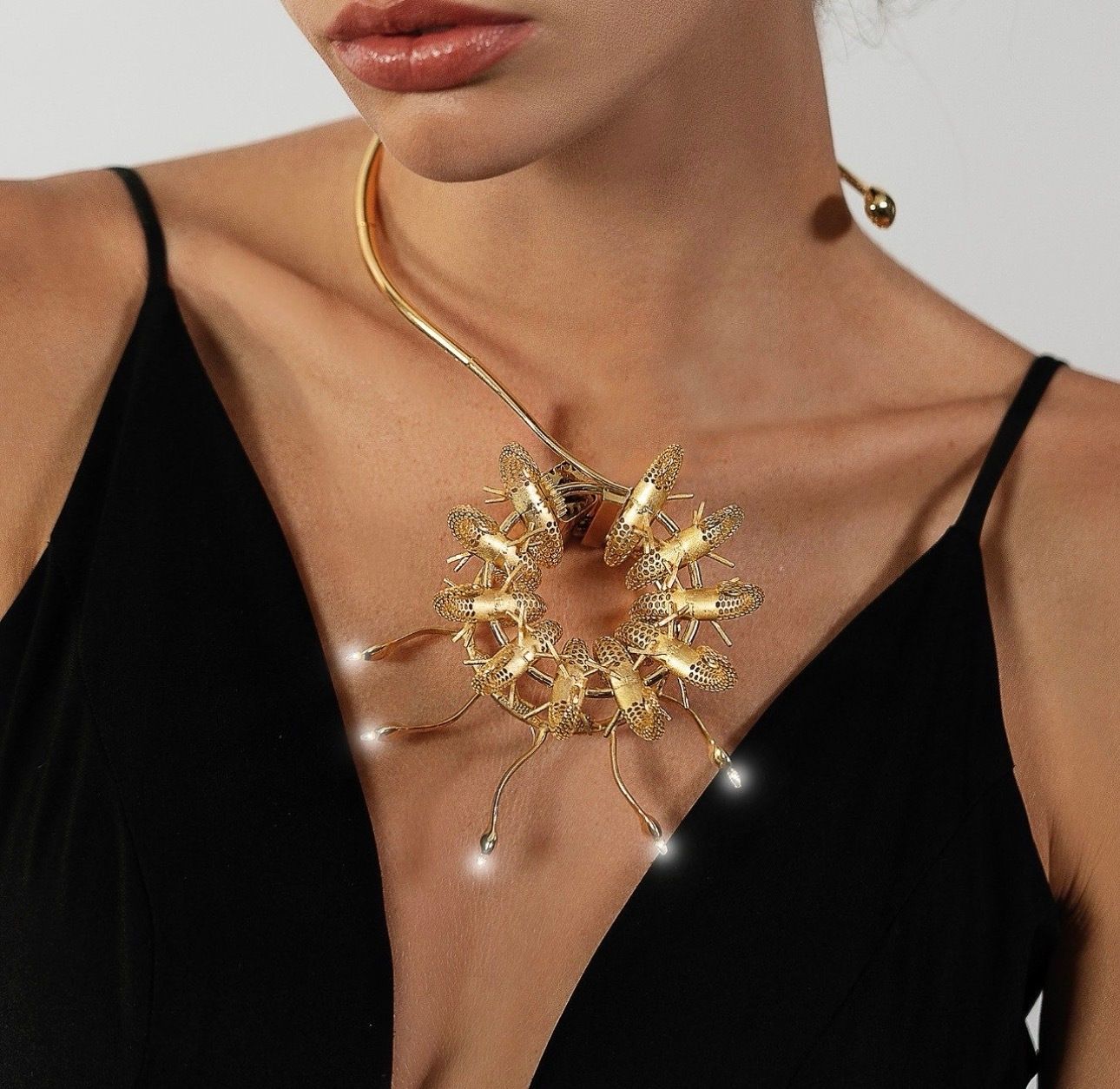
Esra Erciyes designed a tech-reactive necklace that moves as a jellyfish
The shift toward "High-Utility" goods
Beyond traditional jewelry and bags, 2026 is seeing the rise of accessories that serve a specific functional purpose. This includes the integration of technology, such as the recent wave of sleek, designer-led smart eyewear (Ray-Ban Meta smart glasses), and the evolution of "commuter" goods designed for highly mobile lifestyles.
Independent brands are finding success by focusing on these utility-driven niches. Instead of broad collections, we are seeing the emergence of brands that do one thing exceptionally well. A clear example is the success of labels focusing exclusively on "the third piece", the item that finishes an outfit, rather than the outfit itself.

EssilorLuxottica aims to reach 10 million units/year production capacity of the Ray-Ban Meta Smart Glasses by the end of 2026
Strategic implications for independent brands
For brands looking to capture this growth, the opportunity lies in how accessories are integrated into the overall brand narrative. Rather than treating them as add-ons or "afterthoughts" at checkout (the typical cross-selling strategy), successful brands are positioning them as the core of the collection.
Practical steps for 2026 include:
Developing "Signature" hardware: Custom details that make an accessory instantly recognizable without heavy logo usage. Example: Saint Laurent brought their Y2K Mombasa bag back BECAUSE of its recognizable hardware.
Focusing on material storytelling: Using the smaller surface area of an accessory to showcase high-quality or innovative materials that might be too expensive for a full garment.
A repetitive design: Refining a single "hero" accessory over multiple seasons instead of launching new styles every quarter.
This approach builds a sense of permanence. When a brand treats an accessory as a long-term staple, the consumer is more likely to view it as a justified investment.

What to watch next:
- The focus on accessories is expected to evolve into deeper customization. We are already seeing a rise in "add-on" culture (charms, straps, and protective covers that allow a customer to further personalize a mass-produced item).
- For 2026, the brands that provide these "layers" of personalization will likely see higher engagement. The goal is no longer just to sell a product, but to provide the “components” that allow a customer to build their own look.
- The momentum in the accessories category reflects a more “deinfluenced” consumer. People are buying fewer things, but they are looking for those things to do more work for their personal identity.
 If you only post when you’re dropping product, you’re training people to forget you in between. |  The shift we’re seeing leans away from spectacle and toward precision. |